Cybersecurity is no longer something only IT experts need to worry about. Today, every internet user must understand how to protect personal data, avoid scams, and keep devices secure. From smartphones and laptops to social media and online banking, hackers are always searching for weak points. This detailed guide explains the most important basic cybersecurity tips in a simple and easy way so beginners can stay safe online confidently.
What Is Cybersecurity and Why Does It Matter?

Basic cybersecurity tips-Cybersecurity means protecting your digital devices, personal data, and online identity from cyber threats. These threats include hacking, phishing, malware, identity theft, and financial scams. When cybersecurity is ignored, users may face data loss, stolen accounts, empty bank balances, emotional stress, and privacy invasion. Therefore, following basic cybersecurity tips is essential for students, professionals, parents, and even elderly internet users.
Strong Passwords: Your First Line of Defense
Basic cybersecurity tips-Weak passwords are one of the biggest reasons accounts get hacked. Many people still use easy passwords like their name, 123456, birth year, or “password.” These are extremely easy for hackers to guess.
How to Create a Strong Password
Use at least 12 characters
Include uppercase and lowercase letters
Add numbers and special symbols
Avoid personal information like names or birthdays
Use different passwords for different accounts
Use a Password Manager
Basic cybersecurity tips-A password manager securely stores all your passwords and allows you to generate strong ones easily. This reduces the risk of forgetting passwords and improves security.
Enable Two-Factor Authentication (2FA)
Basic cybersecurity tips-Two-Factor Authentication adds an extra layer of protection. Even if someone knows your password, they still cannot access your account without the verification code sent to your phone or email. Enable 2FA on Google, Facebook, WhatsApp, Instagram, banking apps, and email accounts. This is one of the most powerful basic cybersecurity tips everyone should follow.
Beware of Phishing and Fake Messages
Phishing is when scammers trick you into sharing personal information by pretending to be banks, companies, or trusted services. They send emails, SMS, or WhatsApp messages with fake links asking you to log in or share data.
Signs of a Phishing Attempt
Basic cybersecurity tips-Unknown sender or suspicious address
Basic cybersecurity tips-Urgent messages asking for quick action
Basic cybersecurity tips-Spelling mistakes and poor grammar
Basic cybersecurity tips-Links that look strange or unofficial
Basic cybersecurity tips-Requests for passwords or banking details
Never click suspicious links. Always verify from official sources before responding.
You may also like to read these posts:
Simple AI Solutions for Beginners: Easy Guide for2025
AI Solutions Examples in Real Life: Practical Uses
Complete Guide to Tech Tutorials For Beginners
Basic Computer Tutorials for Beginners Online
Protect Your Personal Information
Oversharing online is dangerous. Cybercriminals can misuse your personal information for identity theft and scams.
What You Should Never Share Publicly
Home address
Phone number
Bank details
National ID details
Real-time location
Sensitive personal photos
Always keep social media accounts private and accept friend requests only from real people you know.
Use Secure Websites Only
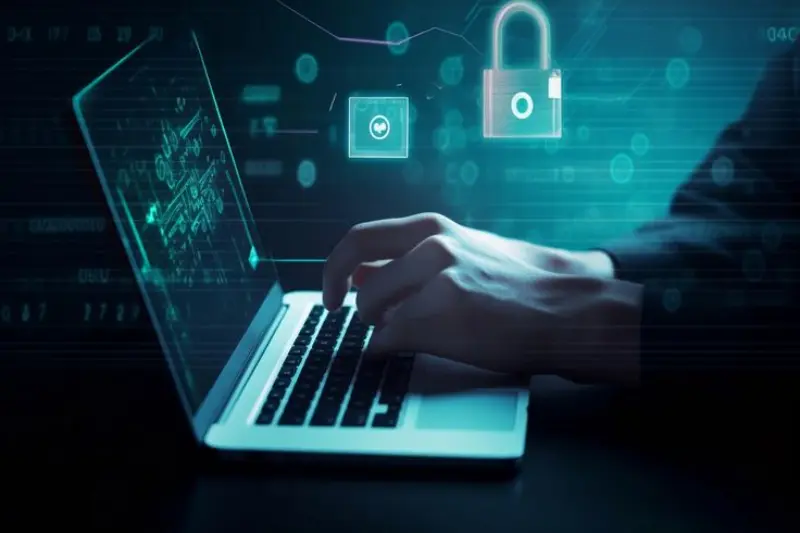
Before entering passwords or payment information, always check whether a website is secure. A safe website begins with HTTPS instead of HTTP. You will also see a padlock symbol in the browser bar. These ensure encryption and safer browsing.
Keep Your Devices and Apps Updated
Software updates are not just for new features; they also fix security vulnerabilities. Hackers often target outdated systems because they are easy to exploit. Always update mobile software, laptops, browsers, and apps regularly.
Install Trusted Antivirus and Security Tools
Antivirus software protects against viruses, spyware, ransomware, and malware. Use a reputed and trusted antivirus instead of random unknown software. Avoid downloading cracked or pirated programs because they often contain harmful malware.
Be Careful with Public WiFi
Public WiFi is convenient but risky. Hackers often use open networks to steal login details and personal data. Avoid using public WiFi for online banking, shopping, or accessing important accounts. If necessary, use a trusted VPN to secure your connection.
Backup Your Data Regularly
Even if you take every precaution, cyber incidents can still happen. Backing up data ensures that you do not lose important photos, documents, or files in case of hacking, device failure, or accidental deletion. Use cloud storage and external hard drives for regular backups.
Cybersecurity for Children and Families
Children are highly vulnerable online. Teach them not to talk to strangers, avoid sharing personal information, and always inform parents if something feels wrong. Parents should also monitor online activities and enable parental control settings where needed.
Build Smart Online Habits
Cybersecurity is mostly about awareness and smart behavior. Think before clicking, question unknown messages, double-check every suspicious situation, and stay informed about online threats. These small but powerful cybersecurity habits can protect your identity, privacy, and financial safety.
Frequently Asked Questions
What is cybersecurity in simple words?
Cybersecurity means protecting your devices, personal data, and online accounts from hackers and cyber threats.
Why are strong passwords important?
Strong passwords make it harder for hackers to break into your accounts and steal data.
Is public WiFi safe?
Public WiFi is risky, especially for banking or logging into important accounts. Always be careful.
What is phishing?
Phishing is a cyber scam where fake messages or websites trick you into sharing personal information.
How can beginners improve cybersecurity?
Use strong passwords, enable two-factor authentication, avoid suspicious links, update devices, and stay aware.
Final Thoughts
Cybersecurity is not difficult when you understand the basics. By using strong passwords, enabling two-factor authentication, staying alert to scams, using secure networks, and protecting personal data, you can significantly reduce online risks. Make these basic cybersecurity tips a part of your everyday digital life and enjoy a safer, smarter, and more secure online experience.