Rocketon blends casual gameplay with tactical wagering, a pairing that demands a strong tech backbone. For participants in Canada, the experience of firing rockets and placing bets hinges on a detailed software architecture built for speed, protection, and scalability. This review of the technology reveals the key foundations supporting Rocketon, from the client-server communication to its rigorous compliance to Canadian rules. Seeing this stack demonstrates how the game maintains fairness, processes live information, and offers a reliable system throughout Canada, from big cities to more distant regions.
Core Structure: A Layered Strategy
Rocketon employs a layered architecture. This design approach splits different functions into separate layers. Keeping these concerns apart is crucial for a reliable system that’s more manageable to manage. The presentation layer, which is what Canadian users view and use, is fully separate from the layers holding the core game logic and data storage. This separation enables developers update the visual look or tailor it for various devices without ever meddling with the sensitive game engine or the modules processing money. This design boosts security by keeping critical parts in isolation. It also makes scaling simpler, since each tier can be enhanced on its own. For developers, it makes debugging and adding features more straightforward, which helps keep the platform strong for the Canadian market in the long run.
This layered system usually runs on cloud infrastructure. Services like Amazon Web Services (AWS) or Google Cloud Platform (GCP) are frequent choices, with data centers often selected within Canada, such as those in Montreal or Toronto. Maintaining hosting inside the country is significant for data sovereignty and for cutting down delay. Auto-scaling groups and load balancers enable the Rocketon infrastructure change its resource use based on live demand. It can manage traffic surges during busy evening times or major sports events without degrading performance for someone in Vancouver or Halifax.
Frontend Development: Crafting the Canada’s UX
The Rocketon frontend, the part players view, is built with contemporary web frameworks focused on a smooth and responsive interface. The base probably uses a reactive-based JavaScript library like React.js or Vue.js. These frameworks help create a Single Page Application (SPA), where information shifts dynamically without the browser having to retrieve a entire new page. For a game like Rocketon, this is crucial. Rocket movement data and bet updates must refresh live, providing a seamless, app-like feel right in the user’s web browser on a desktop computer or a mobile phone.
The graphical parts, like the moving rocket and the interactive betting panels, use HTML5 Canvas and WebGL. Canvas processes real-time, scriptable rendering of 2D figures and graphics, which operates optimally for the game’s main graphics engine. WebGL, a JavaScript API for interactive 3D visuals, may be used for more complex visuals. All this drawing occurs efficiently on the user’s own device’s GPU. This approach ensures animations fast without imposing too much strain on the main systems, an critical factor for making sure the game runs well on the range of machines Canadian gamers use.
System Foundation: Powering Logic and Real-Time Operations
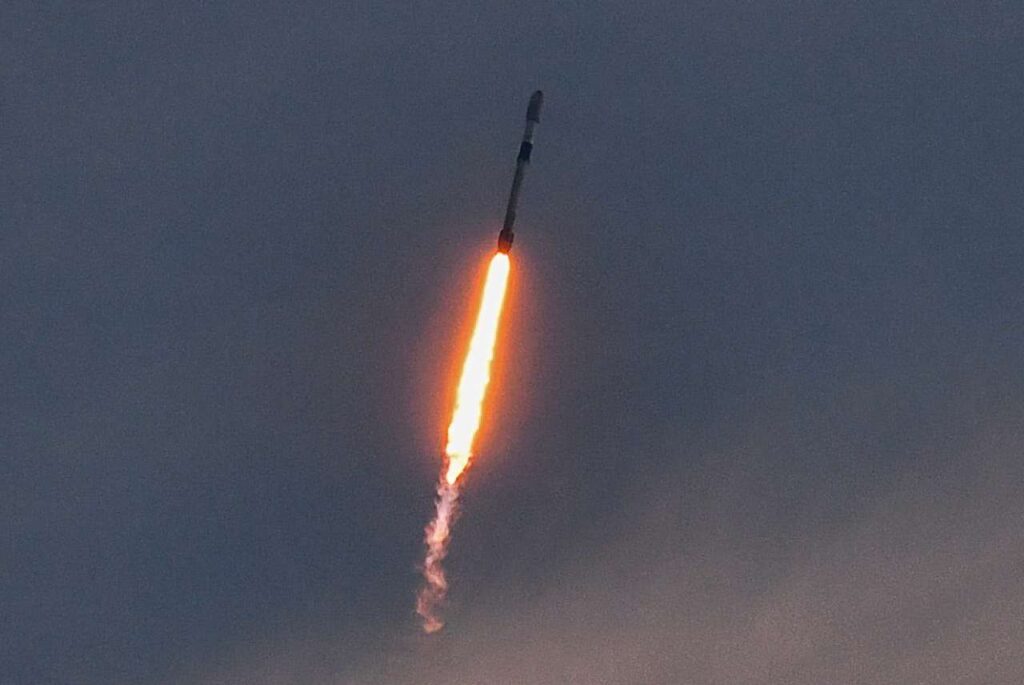
The core server serves as the brain for Rocketon. It is built in a high-performance framework like Node.js, Python (with Django or Flask), or Go. This server manages the central game logic. It includes the predictable algorithm that decides each rocket’s flight path and the rapid math that calculates round results. It handles user sessions, handles bet requests, and connects with financial systems for deposits and cashouts. Most importantly, this logic operates on the server side. That blocks any possible tampering on the client side, which is an essential requirement for keeping the game fair and building trust with players in Canada.
Live functionality defines the Rocketon experience. It operates through WebSocket connections. This communication protocol sets up full-duplex channels over a single TCP link. Unlike standard HTTP requests, a WebSocket connection stays open. It enables the server to transmit new data, like the rocket’s current multiplier, to every connected client at the identical moment. This technology generates the thrilling, shared feeling of the game, where every player views the identical live action. It creates a clear and transparent environment, something that strengthens user confidence in Canada’s regulated digital landscape.
RNG and Fairness Verification
Any credible online game involving chance demands a strong Random Number Generator (RNG). For Rocketon, the RNG is a cryptographically secure system that decides the exact moment the rocket will cash out or crash in a round. This system creates sequences of numbers that are unpredictable and can’t be reproduced, forming the basis for every flight’s result. Independent third-party auditing firms test and certify this RNG on a regular basis. They inspect for complete randomness and compliance with standards required in places like Ontario’s iGaming market. This certification delivers a verifiable base of fairness for Canadian players.
Several modern platforms go beyond standard RNG certification by using a provably fair system. The exact method can change. A common approach employs the server creating a secret seed and a public hash of that seed before a round starts. After the round finishes, the secret seed is revealed. Players can use this seed, along with inputs from their own client, to confirm for themselves that the game’s outcome was decided fairly and wasn’t modified later. This transparent process enables users in Canada with technical knowledge personally examine the fairness of any round. It introduces a significant layer of trust and technological accountability to playing Rocketon.
Data Storage and Storage Options
Rocketon’s architecture employs various database technologies, each picked for a certain job. For structured data like user account details, transaction records, and final game history, a relational database such as PostgreSQL or MySQL is the choice. These systems offer strong consistency, ACID (Atomicity, Consistency, Isolation, Durability) compliance, and powerful querying. These features are vital for secure financial operations and for creating accurate account statements for Canadian players, which is part of responsible gaming practices.
For handling fast-moving, real-time data like live game states, active session info, and leaderboard updates, a non-relational, in-memory database like Redis is typically employed. Redis keeps data in a server’s RAM, which allows read and write operations at microsecond speeds. This speed is vital for sending live multiplier updates to thousands of users at once. For analytics, data is often streamed into a separate data warehouse. This allows the operators study gameplay trends, monitor system health, and understand what the Canadian player base likes, all without slowing down the main databases that handle transactions.
Security and Regulatory Compliance for Canada
Safety is embedded in every layer of the Rocketon platform https://aviatorcasino.app/rocketon/. All data moving between the user’s device and the servers is secured with TLS (Transport Layer Security) 1.2 or better, encoding personal and financial details. The backend services are shielded by firewalls and intrusion detection systems. External experts run regular penetration tests and security audits to identify and remedy potential weaknesses. This ongoing work ensures the platform’s defenses improve as new threats emerge against online services in Canada.
For the Canadian market, specific regulatory compliance is crucial, especially in regulated provinces like Ontario. The architecture has to support features for age and identity verification. It must connect with self-exclusion databases like the iGaming Ontario self-exclusion registry and provide tools for setting deposit and betting limits. The platform’s design must ensure that data for Ontario players is held and processed inside the province, adhering to the rules. This compliance isn’t added on at the end. It is incorporated into the system’s design from the start, from how users sign up to the logic that controls transactions and data location. The aim is a safe environment that also satisfies legal standards.
Common Questions
What coding languages are employed to develop the Rocketon game?
The frontend interface most likely uses JavaScript with frameworks such as React or Vue, paired with HTML5 Canvas for the graphics. The backend server, which manages game logic and money transactions, is probably built with Node.js, Python, or Go. These languages were selected for their performance, ability to scale, and the strong support of their library ecosystems, all needed to give Canadian users a reliable, real-time gaming experience.
How does Rocketon guarantee the game is fair and not manipulated?
Rocketon employs a certified, cryptographically secure Random Number Generator (RNG) to determine game outcomes. Independent third-party companies audit this RNG regularly. Numerous platforms also feature a “provably fair” system. Here, players can check each round’s result using cryptographic seeds. This transparency proves outcomes were generated fairly and not altered after betting finished.
Where is Canadian players’ data stored?

Trustworthy platforms operating in Canada, particularly in regulated markets like Ontario, emphasize data sovereignty. Rocketon’s architecture probably uses cloud servers located in Canadian data centers, for instance in Montreal or Toronto, to store personal and gameplay data. This strategy lowers delay, enhances performance, and adheres to Canadian privacy laws and provincial iGaming rules about where data must physically be located.
How does the game deal with so many players in real-time without lag?
The architecture employs WebSocket connections for instant, two-way communication between the game client and the server. For real-time data, in-memory databases like Redis deliver access speeds measured in microseconds. Also, cloud infrastructure with auto-scaling enables the system to automatically add more server resources during times of peak traffic. This maintains performance smooth for everyone playing at the same time across Canada.
Is it true that my financial and personal information safe on Rocketon?
Security relies on multiple layers. All data is encrypted during transmission with TLS. Firewalls and regular penetration testing safeguard the systems. Financial details are processed through secure payment gateways that meet PCI-DSS standards. Following Canadian regulations also necessitates strong protections for user data, making security a central part of the platform’s design from the beginning.
Is it possible to play Rocketon on my mobile device?
Yes. The game uses modern responsive web technologies, so the Rocketon interface adjusts itself to different screen sizes and orientations. It is likely built as a web application, meaning it runs right in your mobile browser. You won’t need to download a separate app, and it should deliver a consistent experience on smartphones and tablets anywhere in Canada.
What happens if my internet connection drops during a game round?
Your internet connection dropping during a game round can influence your experience. The platform has been built to handle such events smoothly.
The gameplay runs fully on the server. Your bet and the round’s outcome are determined and logged on the server side the instant the round starts. If your internet fails, the system finishes the round independently. When you return, your device will sync up with the server to display the right result and adjust your balance.